
Best Seasons for Storm Restorations
Storm restorations are most effective when performed during periods of calm weather, typically in late spring through early fall. This timing allows for thorough assessments and repairs without the interference of adverse weather conditions, ensuring safety and quality workmanship. Additionally, scheduling during off-peak storm seasons can lead to quicker response times and better availability of resources.
Late spring to early fall offers the best weather conditions for effective storm damage repairs, reducing delays caused by inclement weather.
Restoring damage during the off-peak storm season ensures better scheduling and resource availability.
Performing repairs in dry weather conditions enhances safety and quality of work.
Early restoration helps prevent water intrusion, mold growth, and structural deterioration.
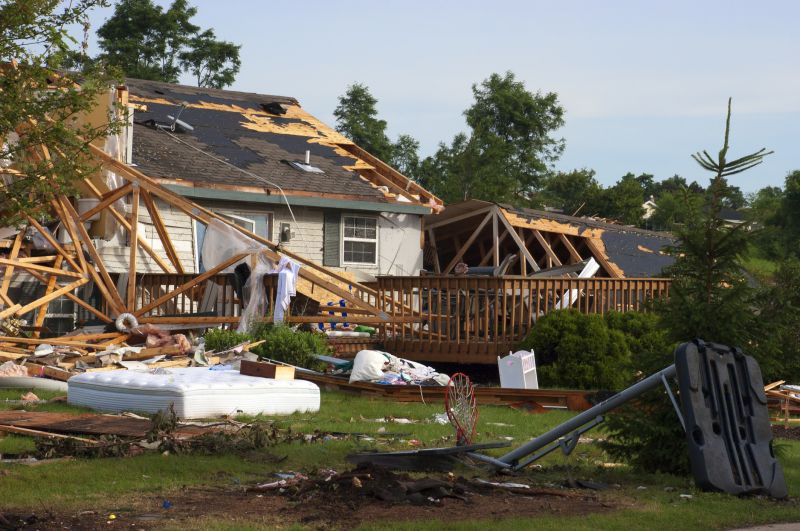
Inspecting roofs and exteriors after storms to identify immediate repair needs.
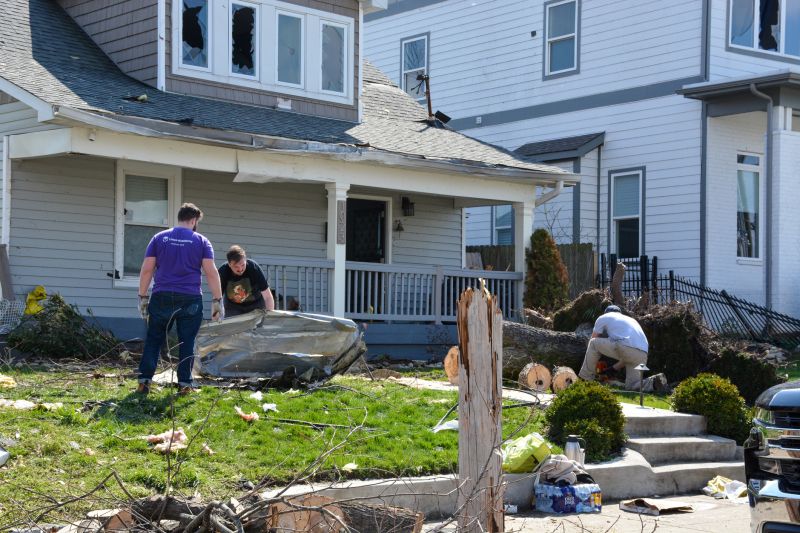
Temporary fixes to prevent further damage until permanent restoration can be completed.
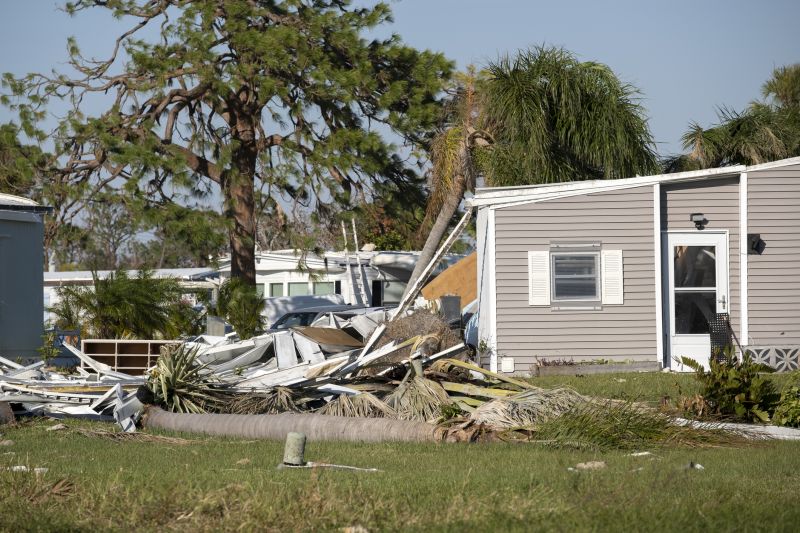
Comprehensive repairs to restore property integrity and appearance.

Ways to make Storm Restorations work in tight or awkward layouts.
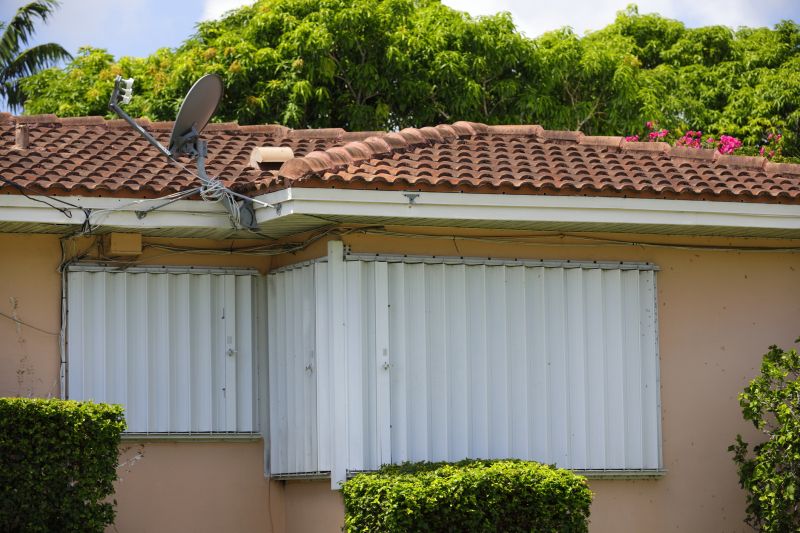
Popular materials for Storm Restorations and why they hold up over time.

Simple add-ons that improve Storm Restorations without blowing the budget.
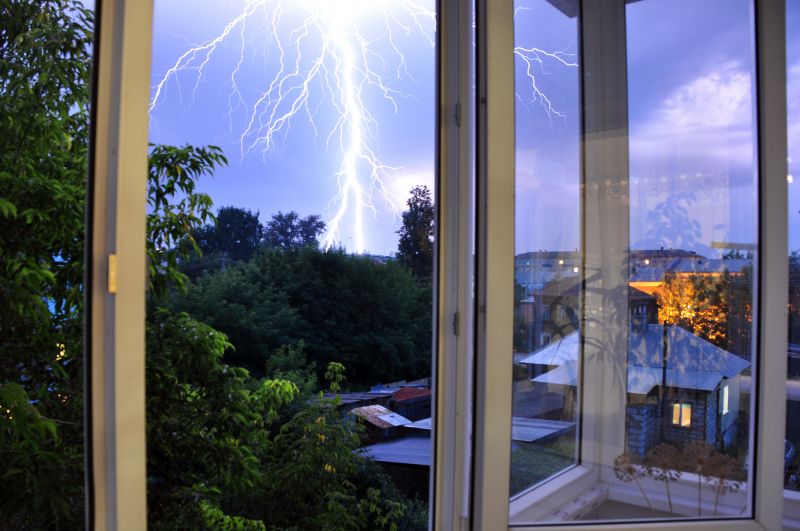
High-end options that actually feel worth it for Storm Restorations.
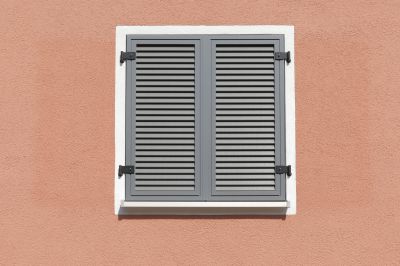
Finishes and colors that play nicely with Storm Restorations.
| Season | Advantages |
|---|---|
| Spring | Good weather for repairs, early storm season preparedness |
| Summer | Longer daylight hours, optimal conditions for extensive work |
| Fall | Preparation for winter, less storm activity |
| Winter | Limited storm activity, potential delays due to cold weather |
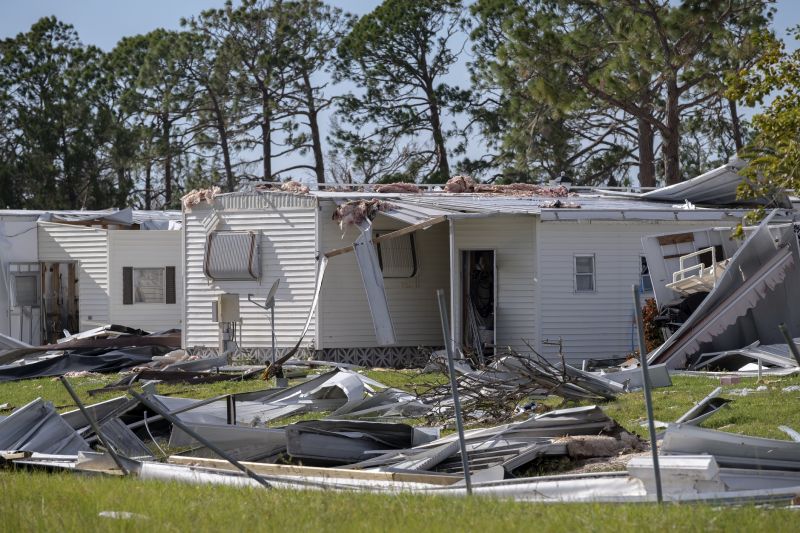
Scheduling roof repairs in dry seasons ensures better sealing and longevity.
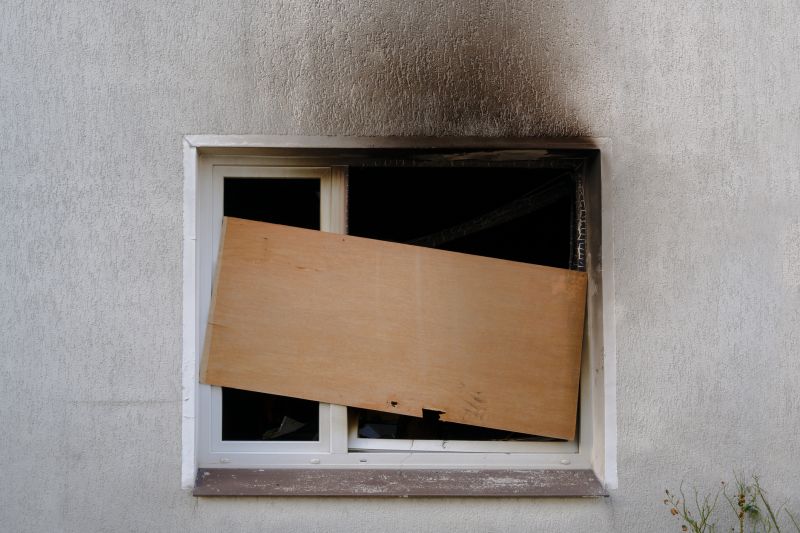
Timely exterior repairs prevent water intrusion and further deterioration.
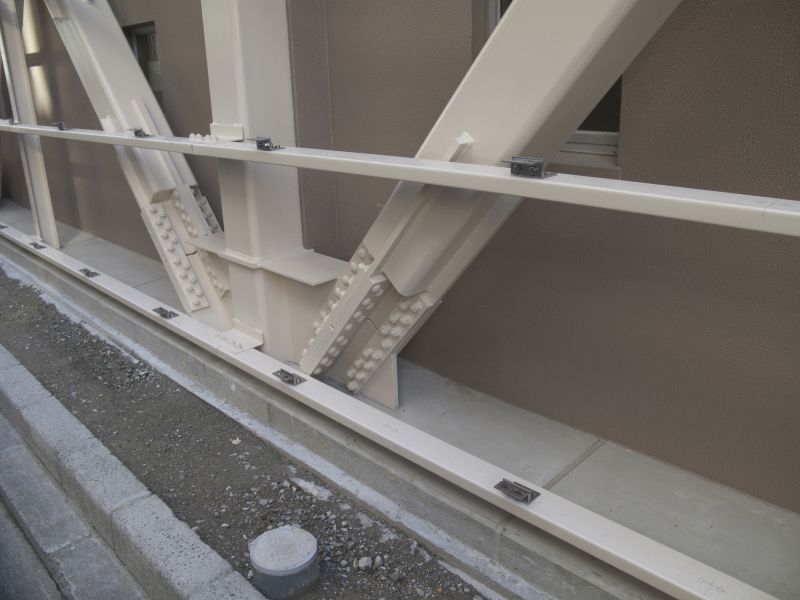
Strengthening structures during favorable weather enhances resilience.
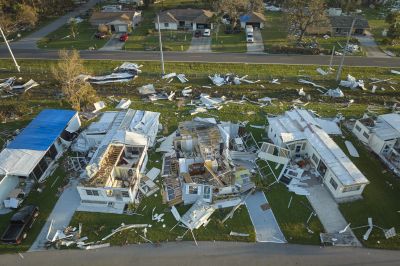
Post-storm inspections identify urgent repairs to mitigate secondary damage.

Little measurements that prevent headaches on Storm Restorations day.
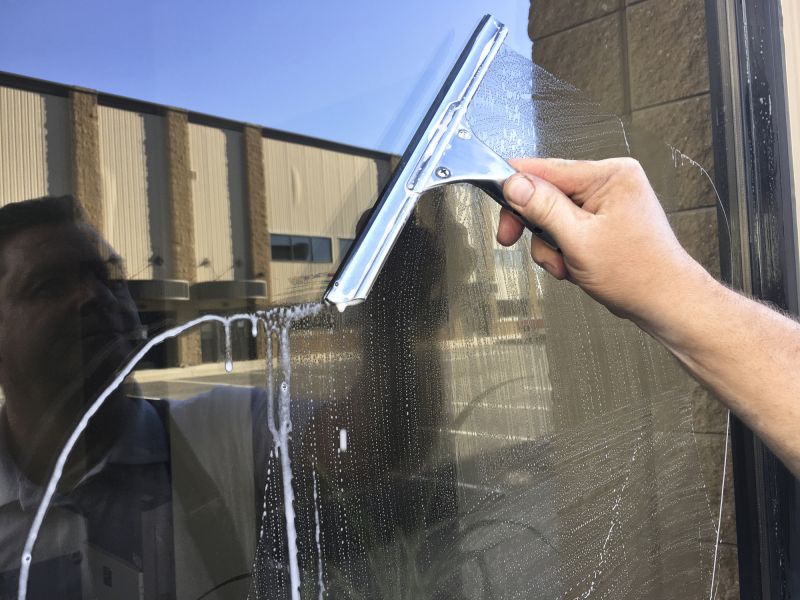
A 60-second routine that keeps Storm Restorations looking new.

A frequent mistake in Storm Restorations and how to dodge it.
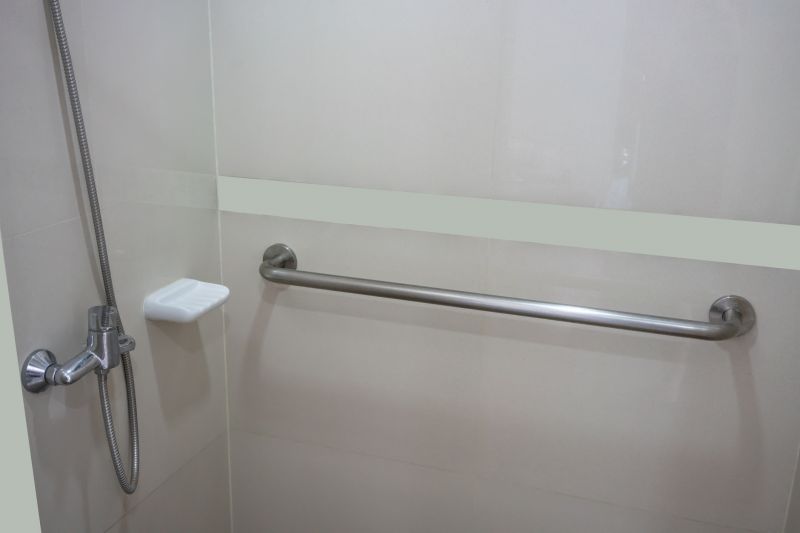
Small tweaks to make Storm Restorations safer and easier to use.
Understanding the optimal timing for storm restorations is vital for effective damage management. Proper scheduling not only enhances safety and quality but also helps control costs and reduces downtime. Property owners are encouraged to plan restorations during suitable weather windows to ensure comprehensive and durable repairs.
Interested parties should consider consulting with storm restoration professionals to develop a tailored plan aligned with seasonal conditions. Filling out the contact form will facilitate scheduling assessments and initiating timely repairs, helping to protect property value and structural integrity.